Most frequently, my work takes the form of computational investigations. Recent reporting is at Grist, where I lead the data journalism program. A reasonably complete archive of published writing is automatically compiled at Muck Rack, with further work indexed at ORCID and Google Scholar.
Investigative Reporting
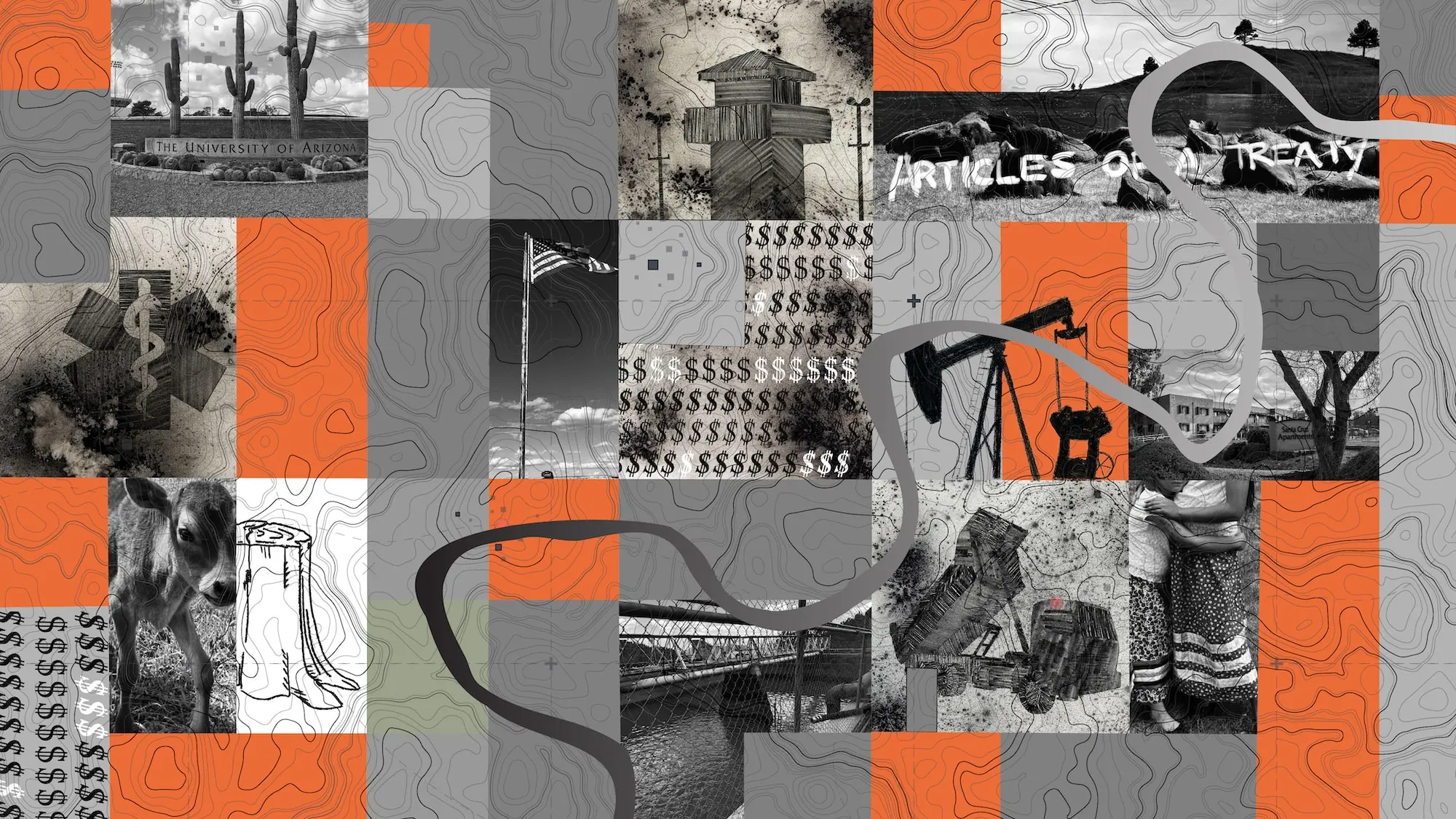
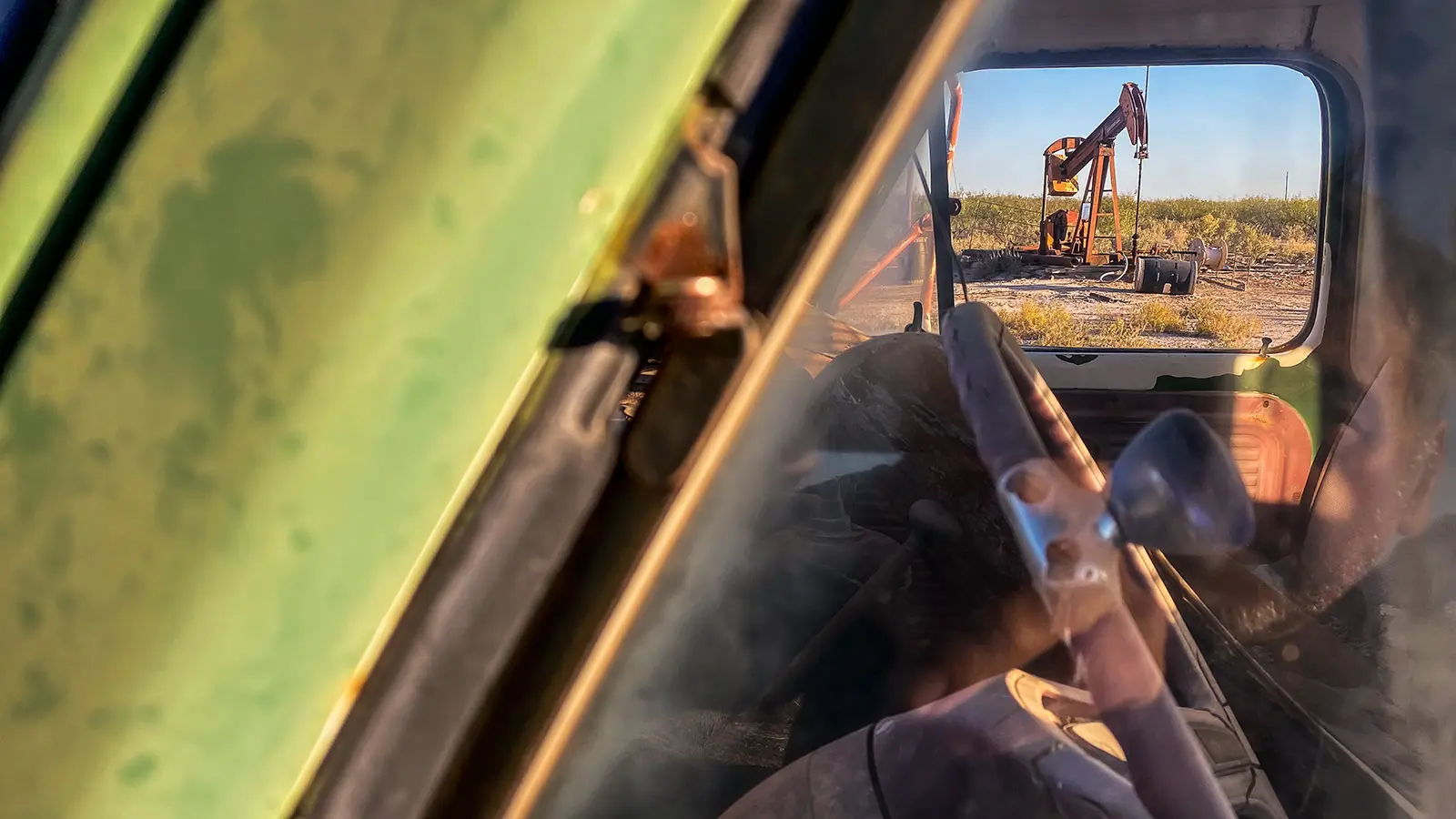
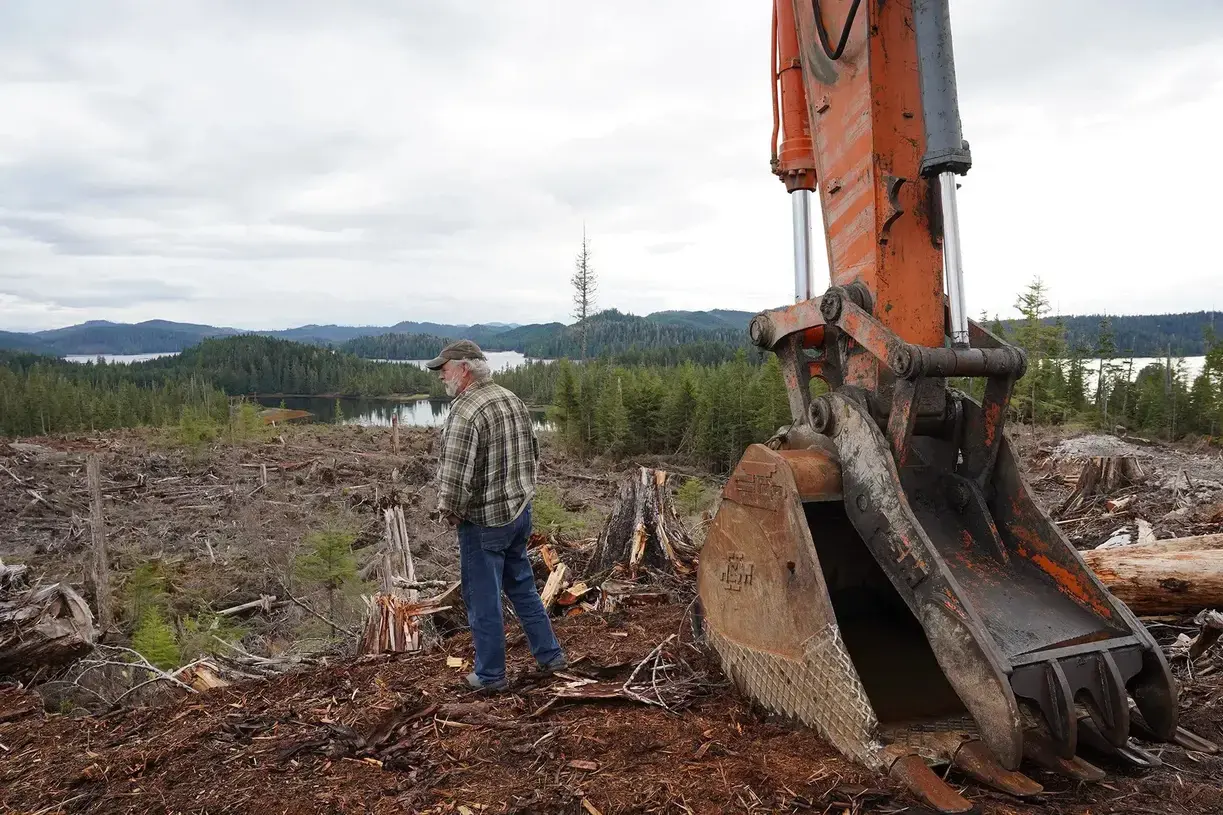
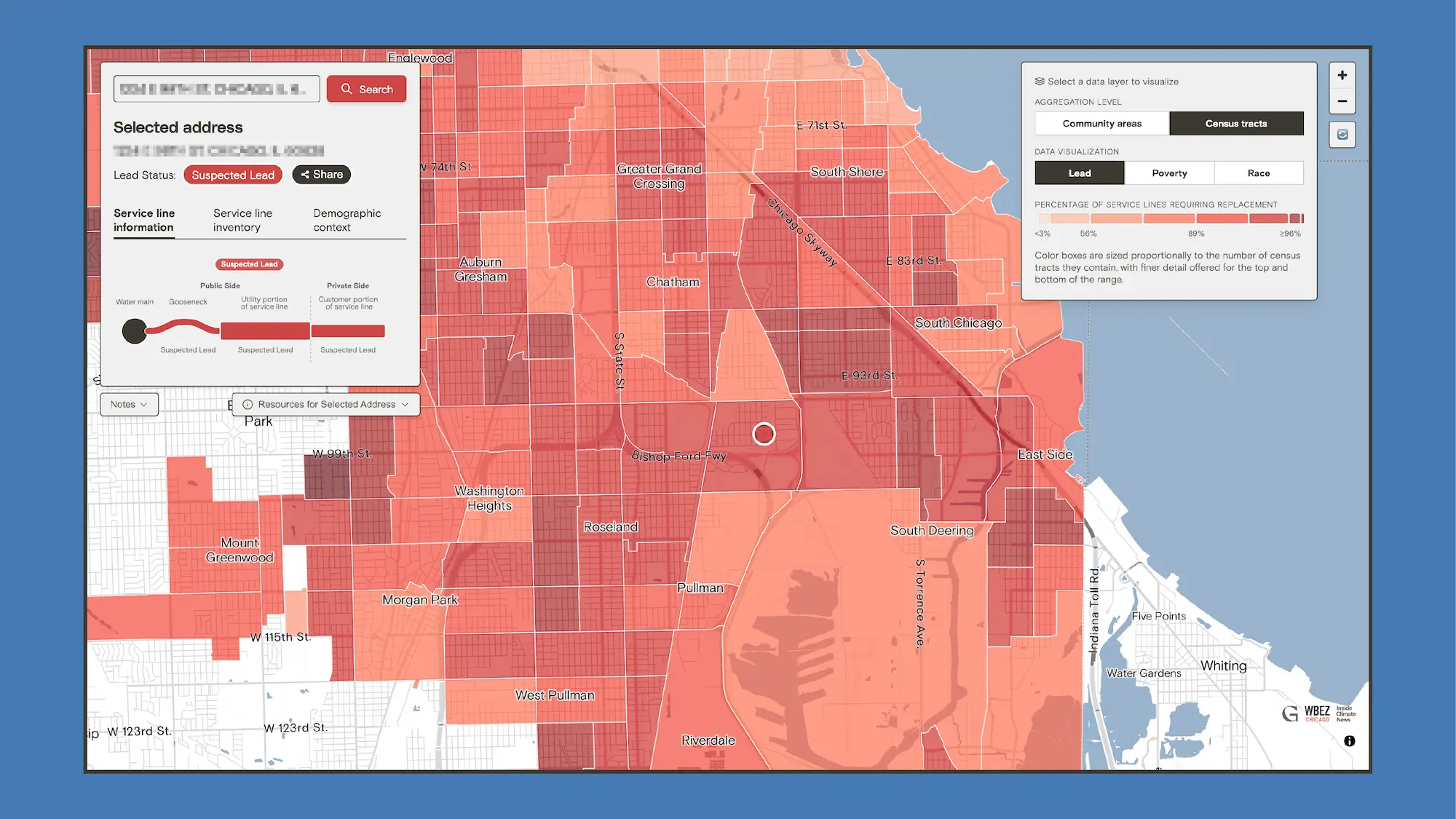
My investigative work focuses on environmental justice, Indigenous affairs, and corporate accountability. I use statistical modeling, machine learning, satellite and GIS analysis, and public records to build data-driven arguments and narratives.

Data Visualization and Web Apps
I build interactive tools and data applications, mostly as standalone products or alongside larger investigations. Code for most projects is on my personal GitHub or the Grist Data Desk GitHub Organization. I also operate a small data science and public policy advisory practice.
Neuroclimate
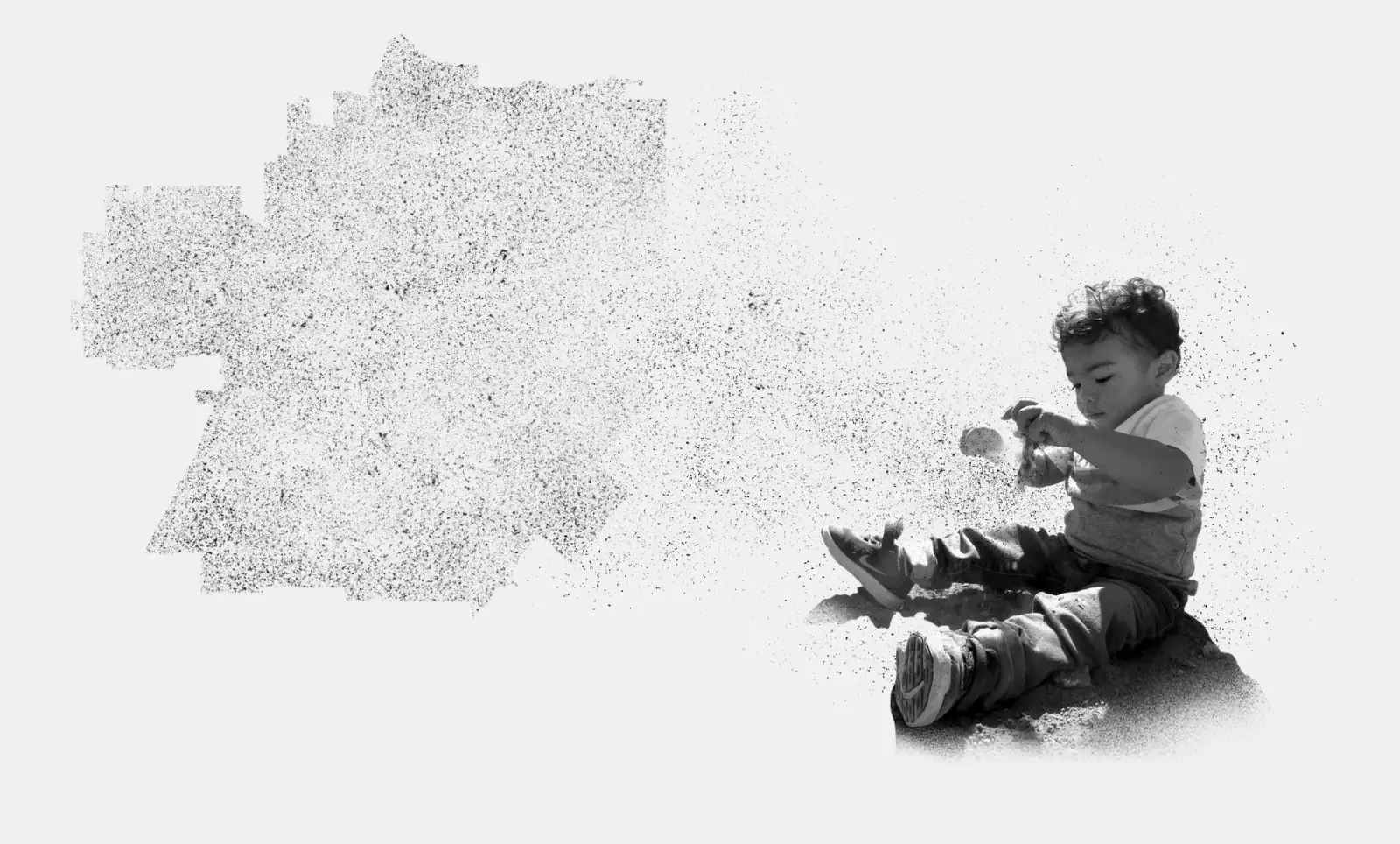
Outside journalism, I research the neurological dimensions of climate change: how wildfire smoke, extreme heat, flooding, and other (un)natural disasters affect brain development, cognition, and behavioral health. To that end, I help coordinate the Neuro Climate Working Group, an international research consortium studying these emerging issues.
Recently published work in this area includes the Working Group's 2026 science and policy report, our policy commentary “Brain Health: The blind spot in climate policy” (One Earth), the commentary “Neurotoxic Metropolis” (with Allison Clonch, Journal of City Climate Policy and Economy), on how urban environmental exposures contribute to neurodegenerative conditions through inflammatory pathways, and an op-ed with Burcin Ikiz for STAT News on how smoke exposure during pregnancy can alter fetal brain development.
For general audiences, I’ve written about these efforts in Aeon, The Guardian, The Globe and Mail, and Geographical. My book The Weight of Nature (Dutton / Allen Lane, 2024) traces the grand arc of this research.
Housing and Homelessness Policy
Previously, I led data and evaluation for homelessness programs at Pierce County, Washington. That work ultimately led to Homelessness Is a Housing Problem (UC Press, 2022), co-authored with Gregg Colburn, which leverages data from 35 U.S. metro areas to illustrate the manners in which housing-market conditions—as opposed to individual pathologies—drive regional variation in rates of homelessness.
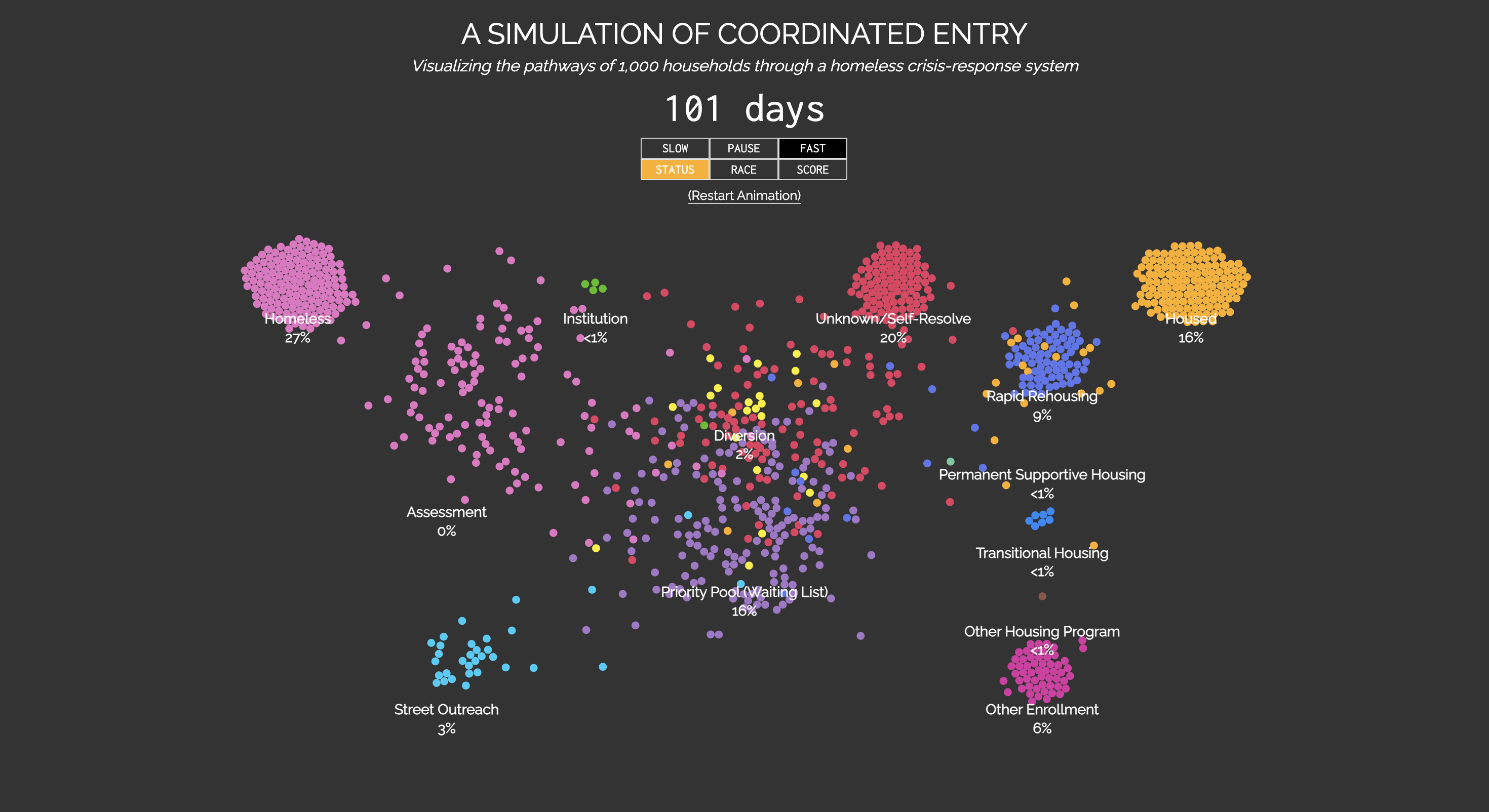
I’ve also conducted related work on racial equity in coordinated-entry homelessness systems and on applying machine learning to identify systemic disparities in social services. The hmls.xyz simulation linked above models how households move through such crisis-response systems.
Union Organizing
I’m the unit chair of the Grist Union, a NewsGuild-CWA unit representing writers, editors, designers, and other staff at Grist. We organized in 2022 and ratified our first contract in August 2023. I also serve as a legislative organizer with the Pacific Northwest Newspaper Guild.